



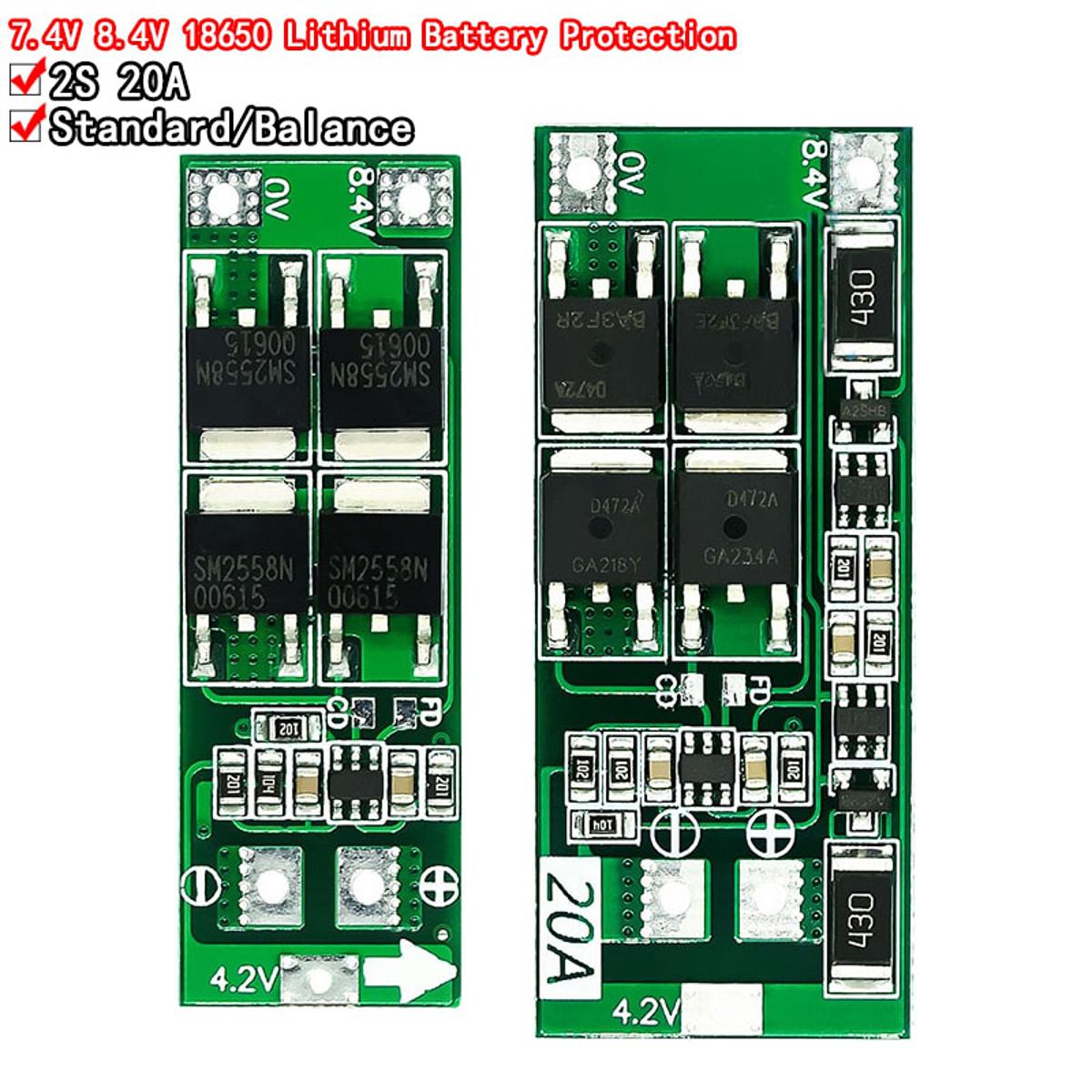
BMS 2S,20A (8.4 volt)
$ 0.81
Description 2S → means 2 cells in series. So it’s for a battery pack that has 2 Li-ion / LiPo / similar cells stacked in series. 20A → the maximum continuous discharge current the BMS safely allows without triggering protection or damage. So a “2S 20A BMS” is a protection board for a battery pack of ~7.4 V (nominal) (i.e. 2 × 3.7 V) that can handle up to ~20 A draw under normal conditions. — Typical Features & Spec Values From examples of 2S 20A BMS units, here are common specs & protection features: Feature Typical Value / Description Nominal pack voltage ~7.4 V (2 × 3.7 V cells) Full charge voltage ~8.4 V (2 × 4.2 V) Maximum continuous discharge current ~20A Peak current (short periods, e.g. startup) Often much higher (e.g. ~100 A) for milliseconds or seconds, depending on the BMS. Protection features include: Over-charge, over-discharge, over-current, short circuit; often also balance charging between the cells. Operating temperature Typical range ~ -40 °C to 85 °C for many boards. Pin/wire layout Usually B (battery pack ), B− (battery pack −), P (pack output / load ), P− (pack output − / load −), and a mid-point / balance terminal between the two cells. Quiescent current draw Very low (micro-amps) when idle. — Purposes / Why It’s Important Safety: Prevents overcharging (which can lead to heat, swelling, rupture), over-discharging (which damages cells), short circuits or too much current draw (which can cause overheating or catastrophe). Longevity: Balanced charging helps ensure both cells have similar voltage/charge, so one doesn’t get over-stressed. Reliability: Keeps battery in operating safe ranges, improves life, performance stability. — Limitations / Things to Watch Out Ambient / cooling conditions: If airflow or cooling is poor, a board rated 20A may overheat, lose efficiency, or trigger protection prematurely. Use proper wiring, avoid long thin wires, allow ventilation. Peak vs continuous load: Even if the board can sustain 20A continuously, large peaks (startup of motors etc.) may exceed its limits if sustained too long. This could damage it. Cell matching: The two cells in series should be similar in capacity, internal resistance, age. Mismatched cells reduce effectiveness of balance and safety. Voltage matching: Must match the battery chemistry: e.g. Li-ion, LiPo, LiFePO₄ etc. Different chemistries have different safe voltage limits. Balance current: Some BMS boards have active balancing; others passively balance. The balancing current (how much difference per hour they can correct) matters for keeping cells matched over long use. Physical size & wire thickness: The PCB size, strip/wire terminals and their current ratings, thickness of copper traces all matter – thin traces or connectors can be weak link.
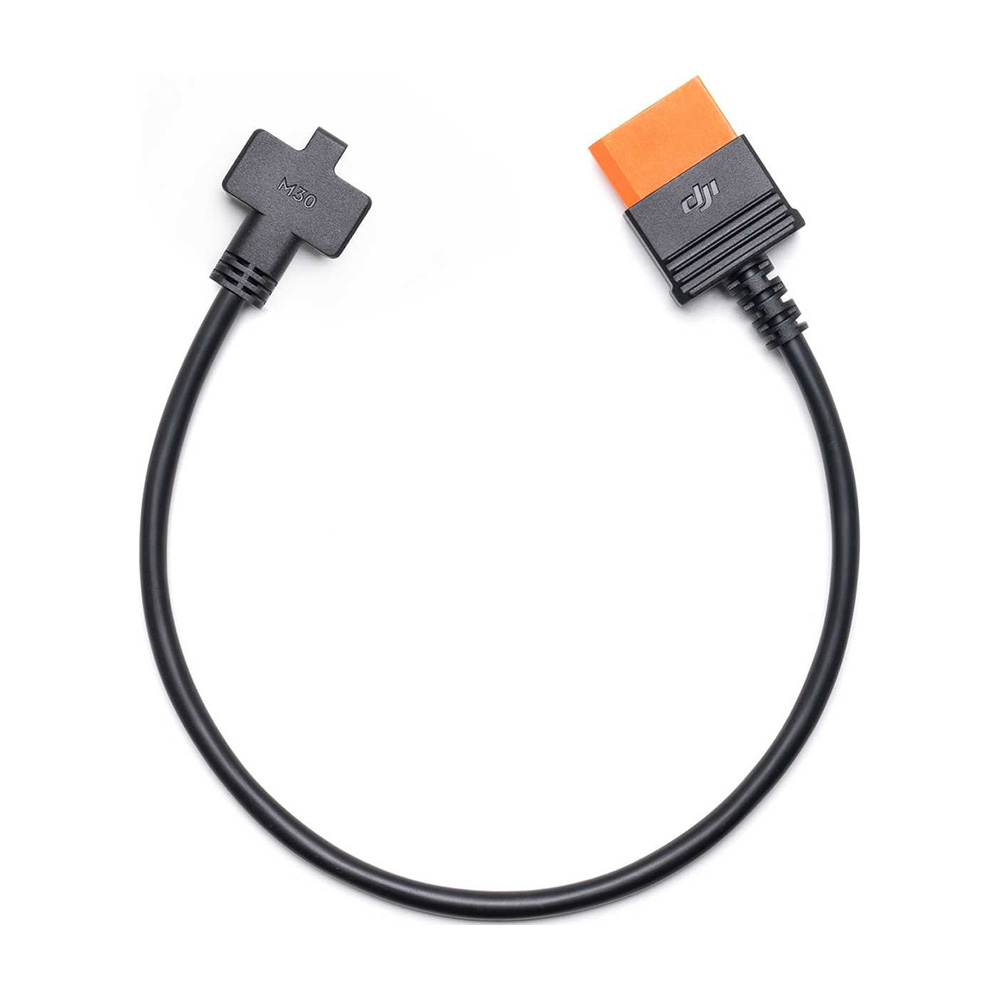 DJI Power SDC to Matrice 30 Series Fast Charge Cable